

Antique Jewellery Buying Guidance
A practical guide to buying antique jewellery, including what to look for, how to judge condition, and why craftsmanship, age and provenance matter.

Expert reviewed
Reviewed by Rachel Smith
Manager and Head Valuer at Hatton Jewels
Rachel Smith specialises in the valuation and appraisal of fine jewellery, antique jewellery, natural pearls, coloured gemstones and old cut diamonds. This guide has been reviewed to ensure the advice is accurate, practical and aligned with what buyers should look for when choosing antique jewellery.
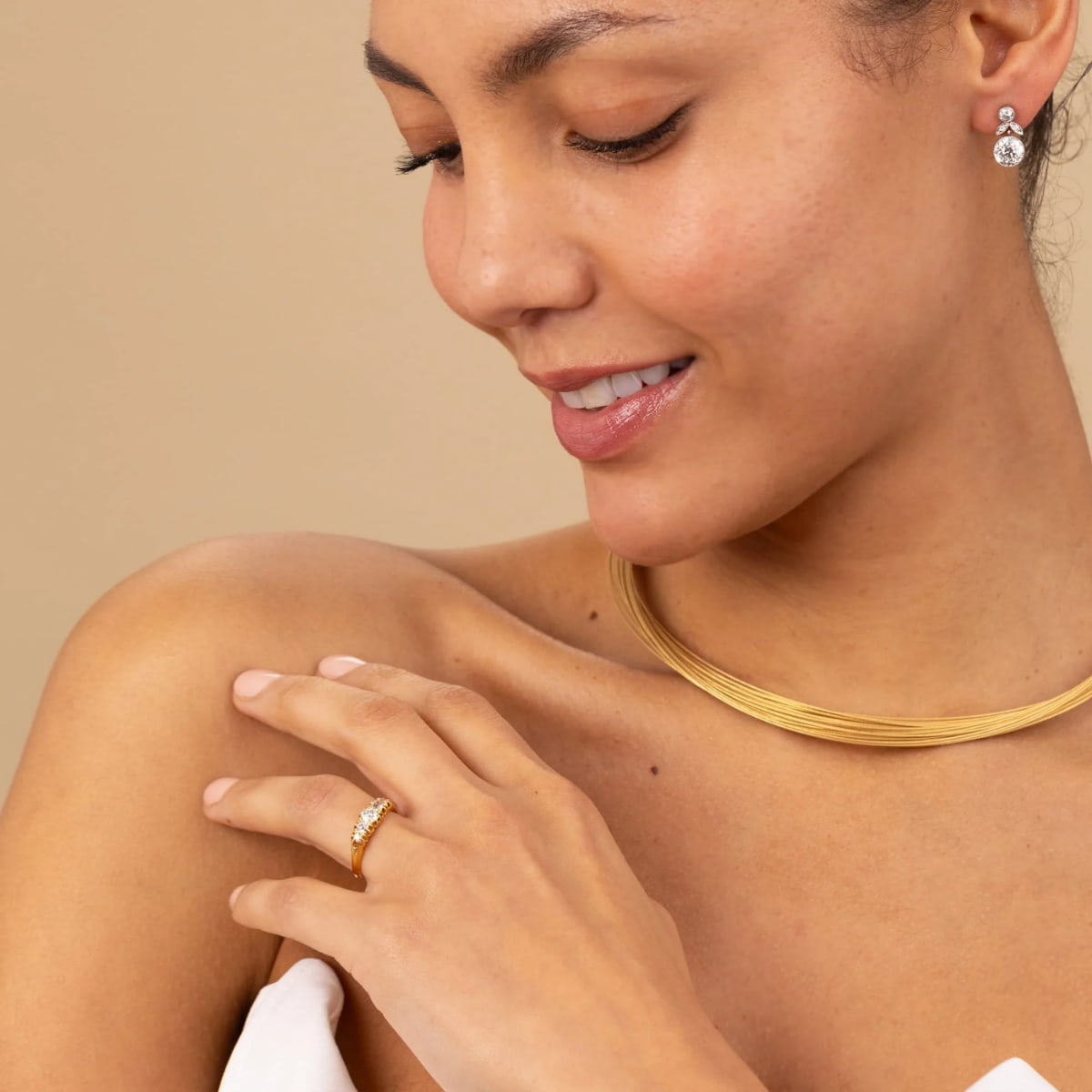
Quick Read
Buying antique jewellery is about more than finding something old. The best pieces have beauty, character, craftsmanship and condition all working together.
Look for a jewel that feels special, has been properly checked, and suits the way you want to wear it.
Hallmarks, gemstone quality, setting condition, originality and provenance can all add to the story, but the most important thing is choosing a piece you genuinely love and can trust.
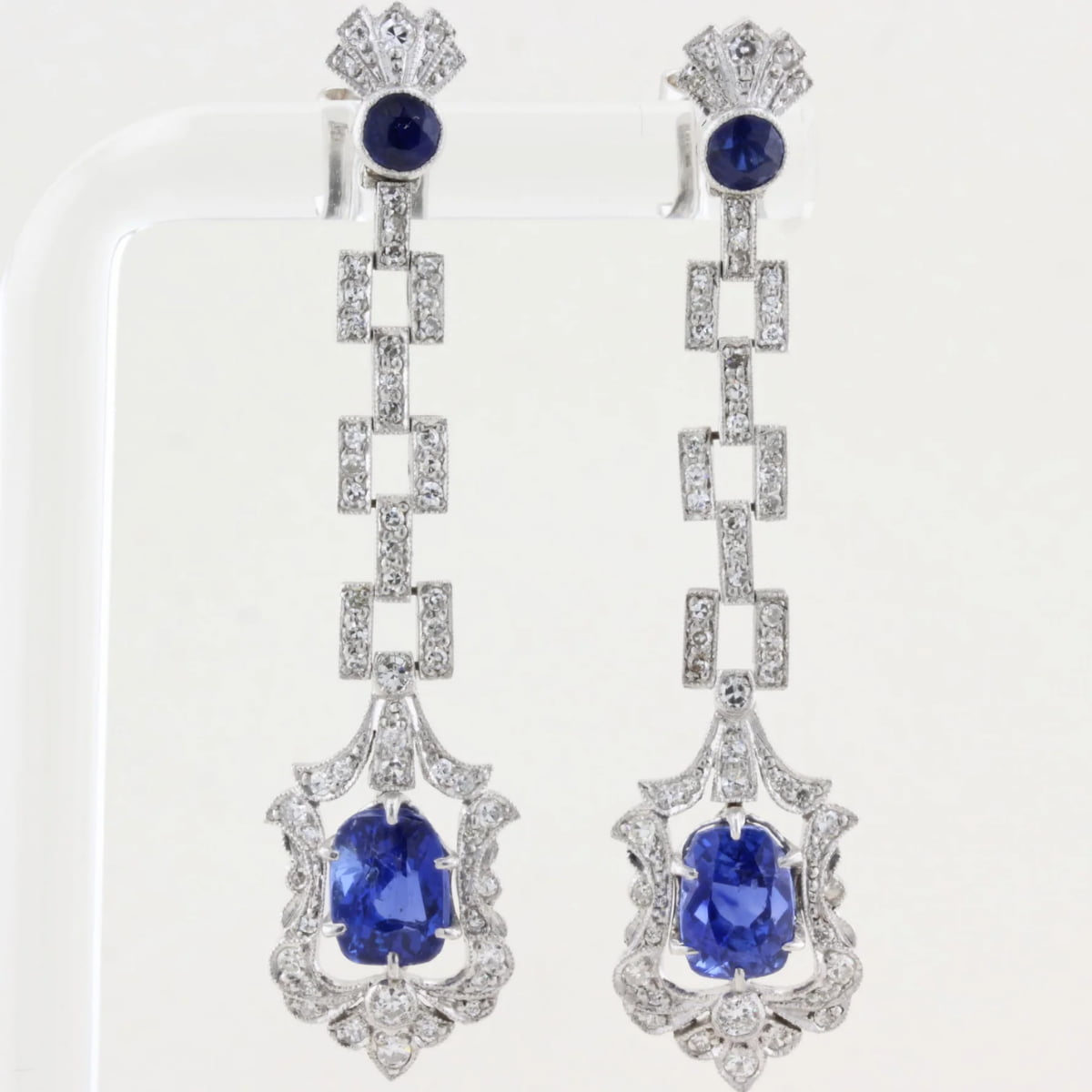
Why Antique Jewellery Feels Different
Antique jewellery has a charm that is difficult to reproduce. These are pieces that have already lived a life, often made by hand, with details that feel softer, more individual and more considered than much of what is made today.
An antique ring, necklace, bracelet or pair of earrings is rarely just about the stone or the metal. It is about the way it has been made, the period it comes from, and the fact it has been treasured enough to survive for generations.
For many people, that history makes the piece feel more personal.
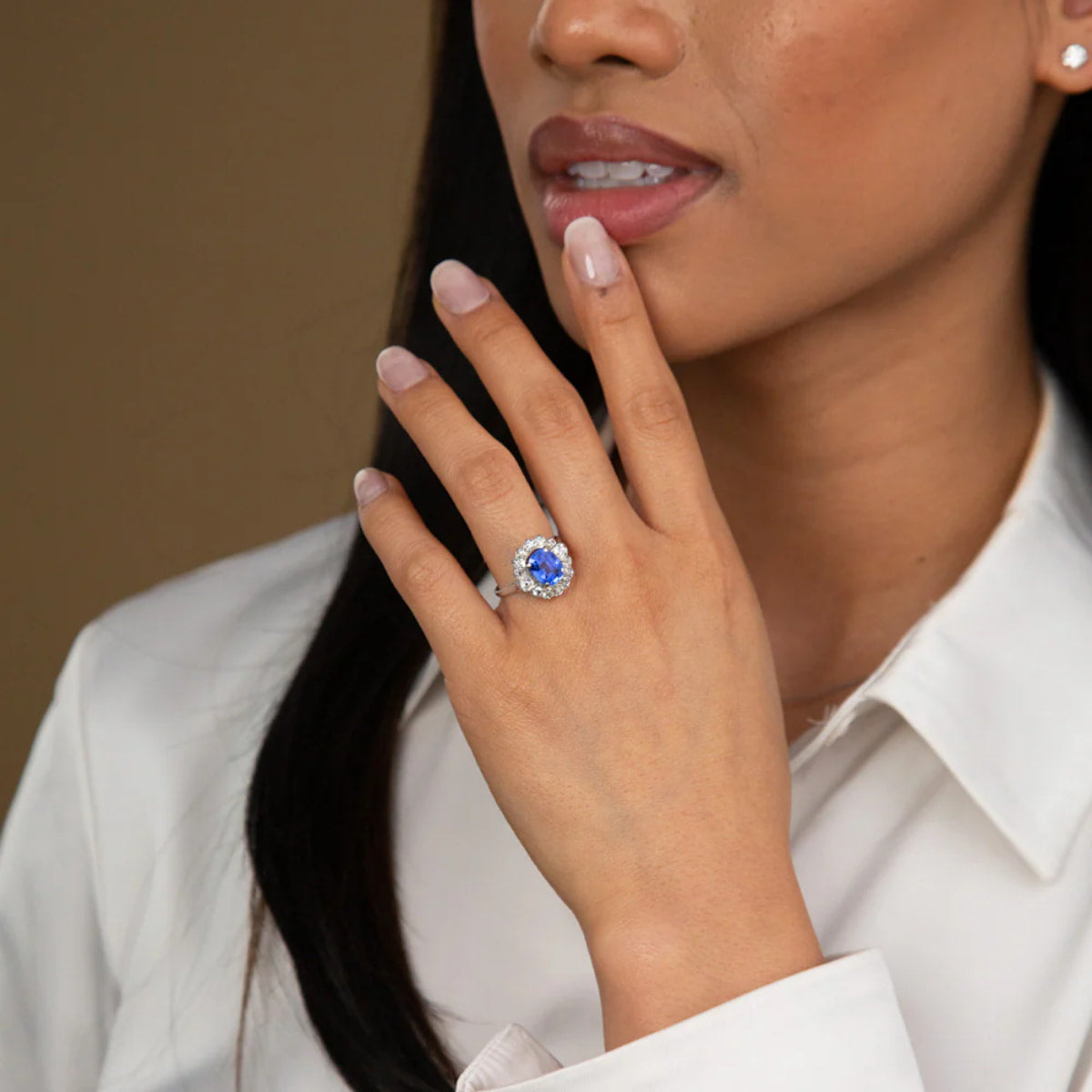
What Counts as Antique Jewellery?
As a general rule, antique jewellery is jewellery that is over 100 years old. This can include Georgian, Victorian, Edwardian and early Art Deco pieces, along with older jewels depending on the date and origin.
Vintage jewellery is usually newer, often from the 20th century, while antique jewellery has crossed that 100-year mark. Both can be beautiful, but antique pieces tend to carry a different sense of age, rarity and craftsmanship.
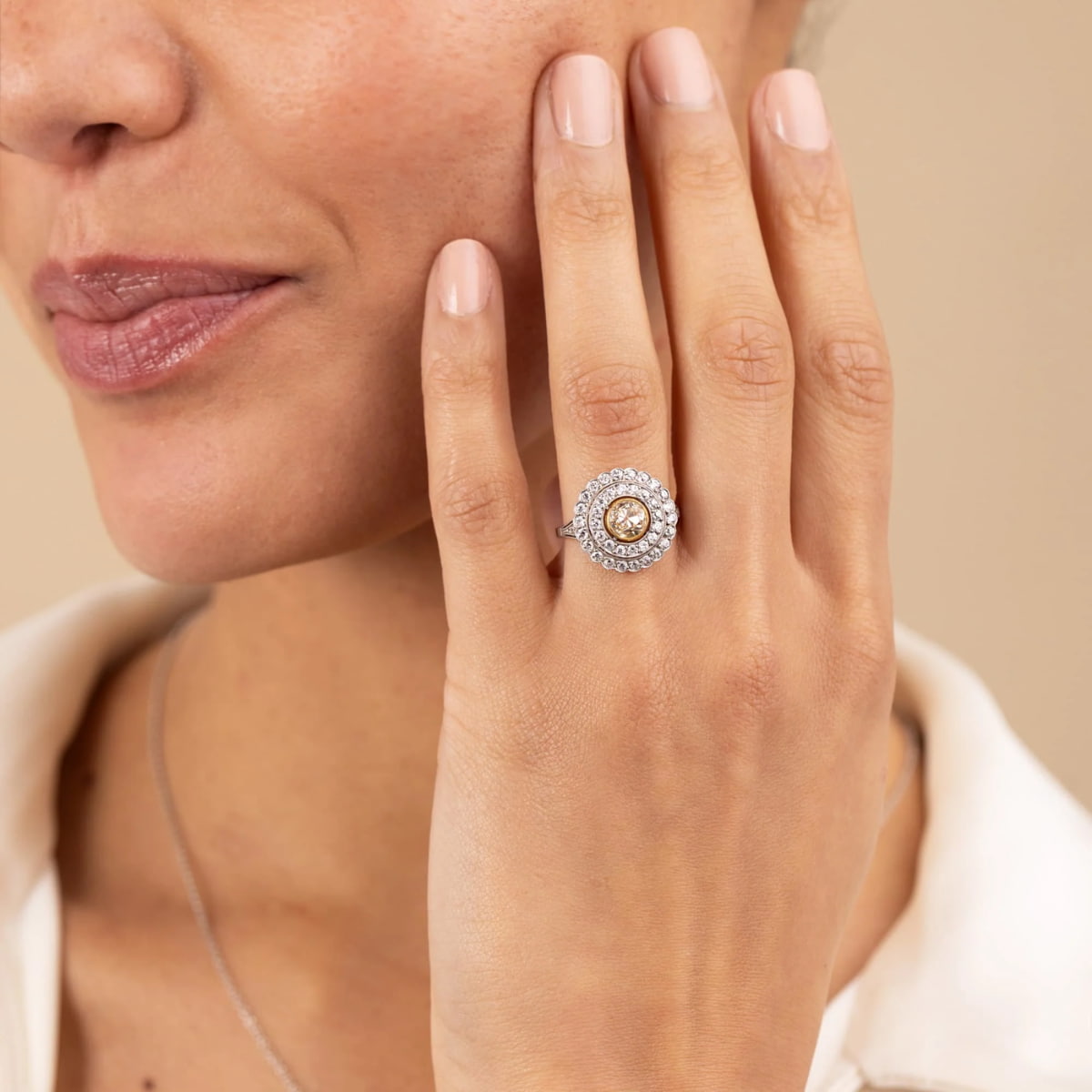
What Should You Look for When Buying Antique Jewellery?
A good antique jewel should be beautiful, but condition matters enormously.
Before buying, look at the settings, claws, clasps, links and any areas of wear. With rings, check whether the shank has thinned, whether stones are secure, and whether the piece can be resized safely. With earrings, bracelets and necklaces, check fastenings carefully. These are the parts that often take the most strain over time.
You should also ask whether the piece has been repaired or altered. Restoration is not always a bad thing. Sensitive work can preserve a jewel and make it wearable again. But heavy alteration, replacement stones or poor repairs can affect value and originality.
Do Hallmarks Matter?
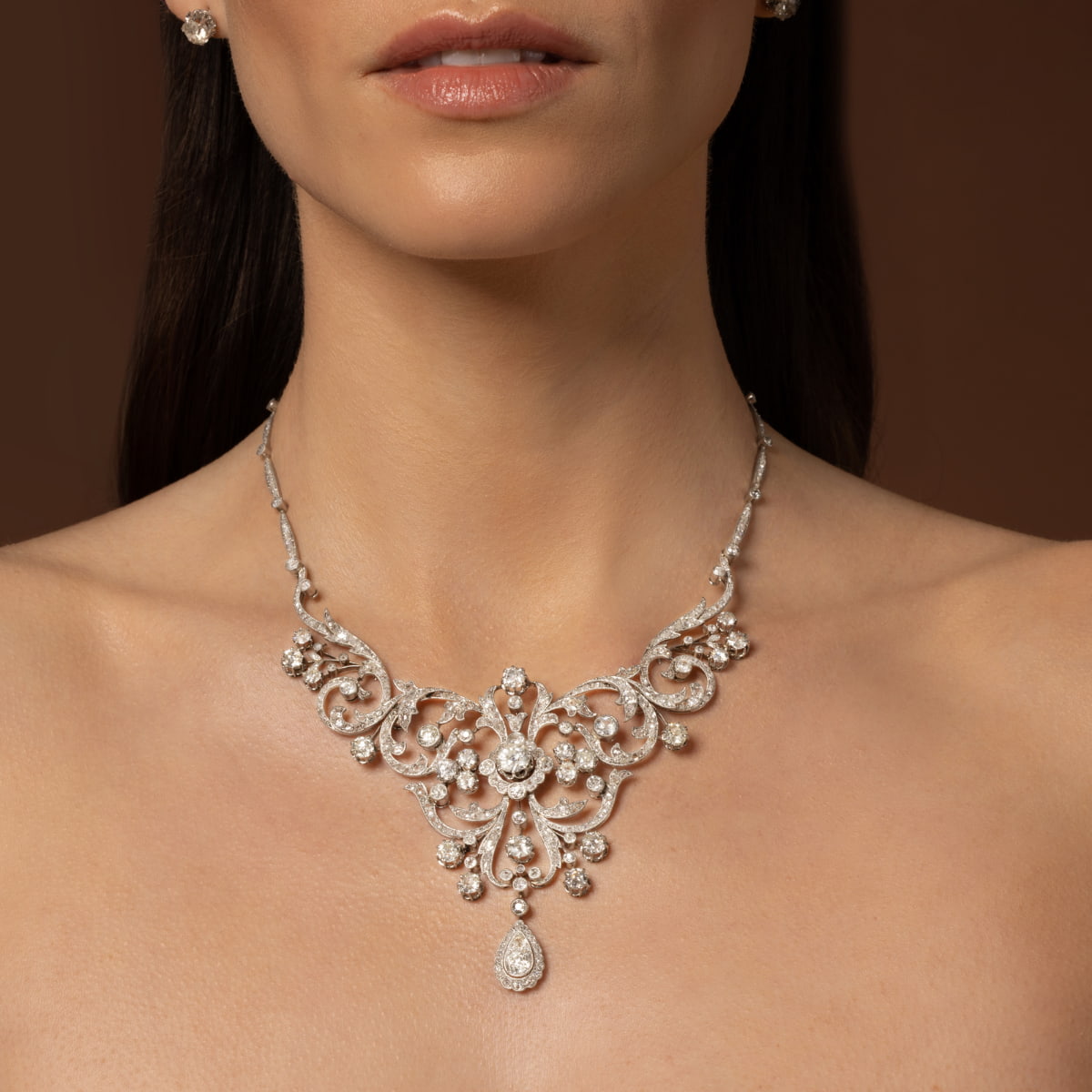
Hallmarks can be very useful when buying antique jewellery. They may tell you the metal, assay office, date and sometimes the maker. They can help confirm part of a piece’s history.
However, not every antique piece has clear hallmarks. Some have worn away with age. Others may never have been marked clearly, especially if they were made outside the UK or altered at some point.
So hallmarks are helpful, but they are not the only thing to rely on. Construction, gemstone cuts, setting style and expert assessment all matter too.
Gemstones in Antique Jewellery
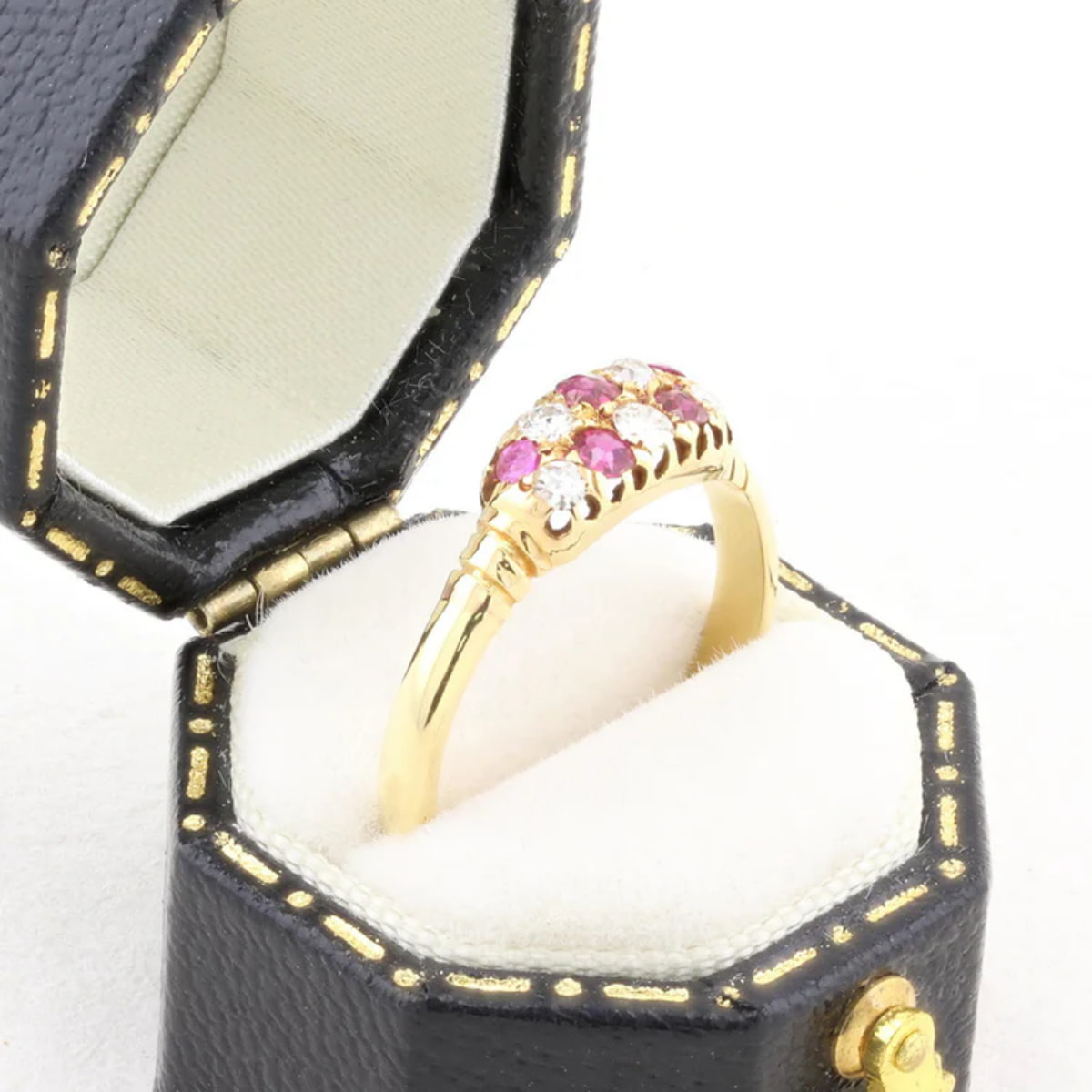
Older gemstones often have a different look to modern stones. Antique diamonds, for example, may be old mine cut, old European cut or rose cut, with softer sparkle and more character than a modern brilliant cut.
That difference is part of their beauty. These stones were cut by hand, often to suit the individual crystal rather than a strict modern formula.
With coloured gemstones, it is worth asking about origin, treatment, condition and whether the stones are believed to be original to the piece. Natural rubies, sapphires, emeralds and diamonds in antique settings can be particularly desirable, especially when the jewel remains close to its original form.
Is Antique Jewellery Valuable?
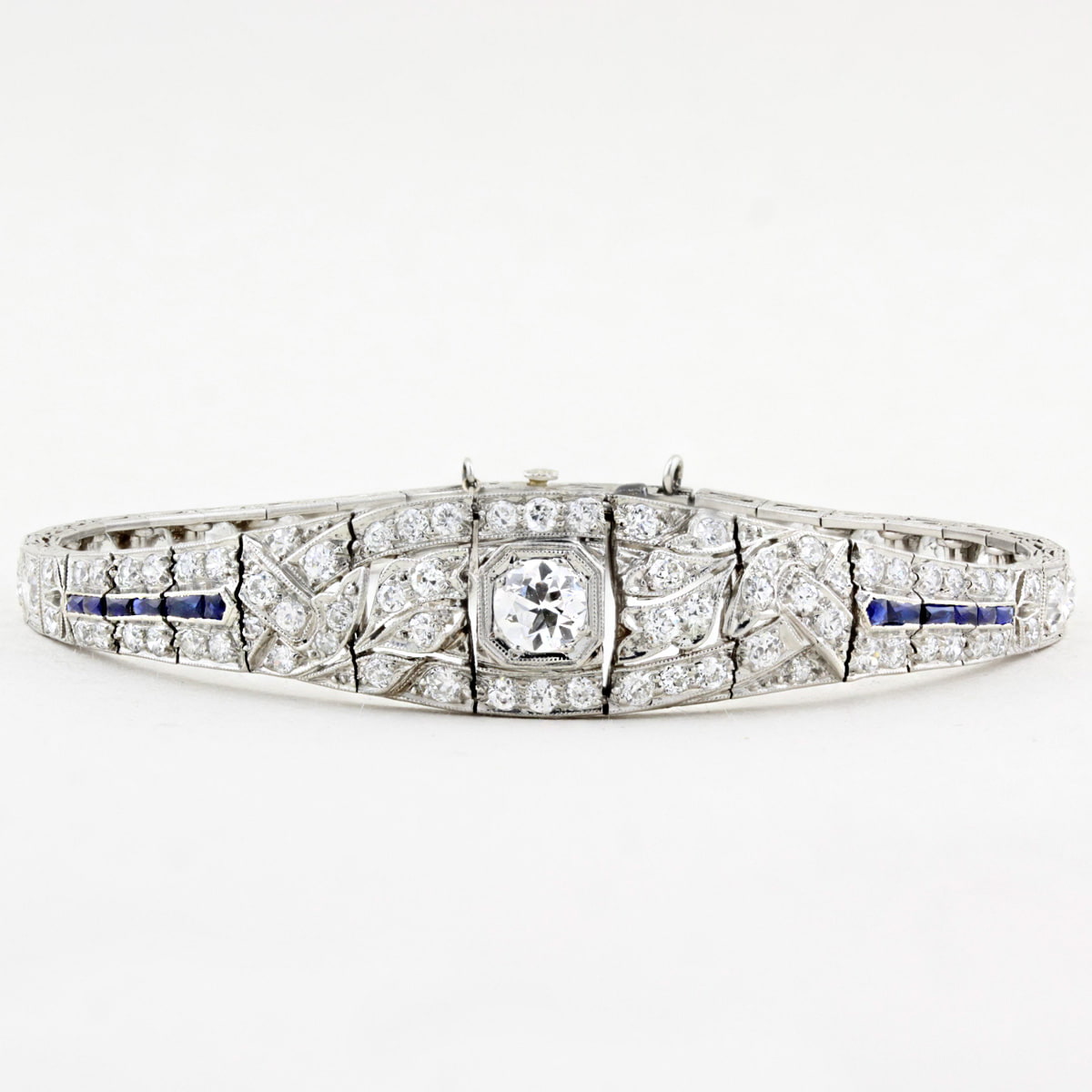
Antique jewellery can be very valuable, but age alone does not create value. A piece is usually more desirable when it combines age with quality, rarity, condition, design and originality.
A simple antique piece in excellent condition can sometimes be more appealing than a grander jewel that has been heavily altered. Equally, a rare period design, beautiful old-cut diamond or exceptional coloured gemstone can make a piece especially collectible.
The best antique jewellery has balance. It feels beautiful, wearable and authentic.
Buying Antique Engagement Rings
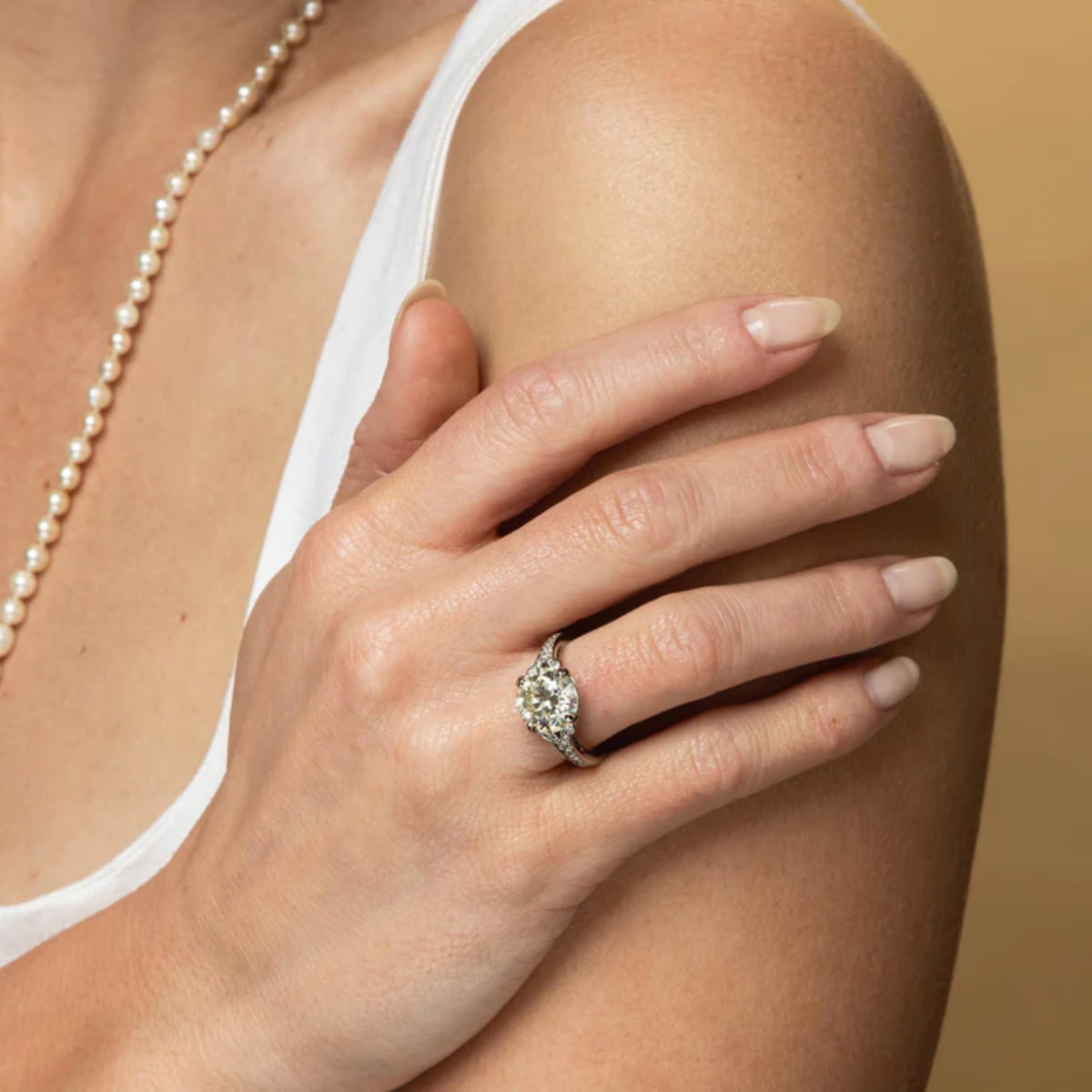
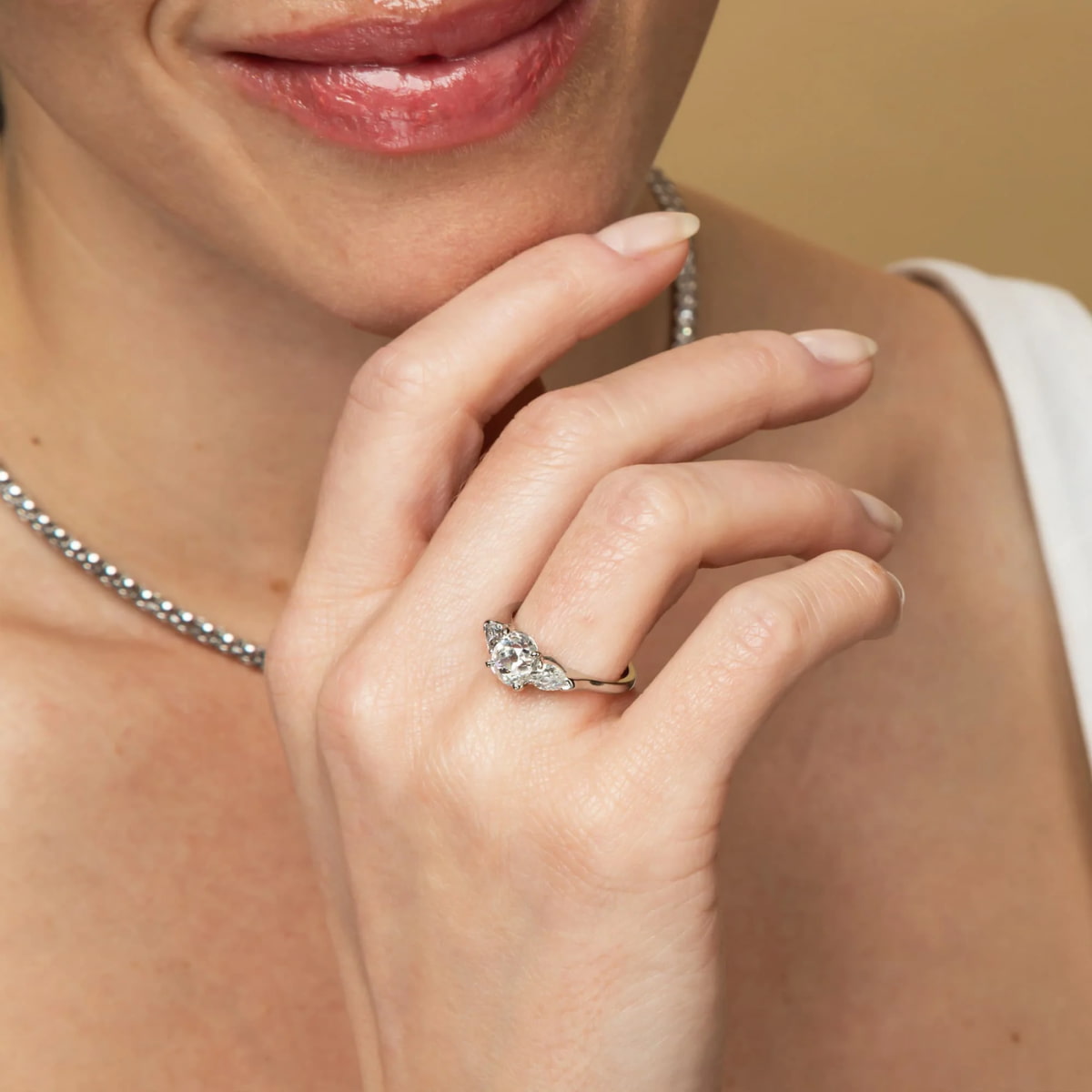
Antique engagement rings are a lovely choice for someone who wants a ring with individuality. Victorian, Edwardian and Art Deco rings often have a romance and softness that is hard to find in modern designs.
The practical side matters too. A pre-owned engagement ring is usually worn often, so the setting needs to be secure and the design needs to suit the person wearing it. Some antique rings are perfect for everyday wear. Others are more delicate and should be worn with a little more care.
Before choosing an antique engagement ring, it is worth checking the claws, stone security, resizing options and overall structure.
Questions to Ask Before You Buy
-
How old is the piece believed to be?
-
Has it been inspected by a specialist?
-
Are the stones original?
-
Has it been repaired or restored?
-
Are there any hallmarks?
-
Is it suitable for regular wear?
-
Can it be resized or altered safely?
-
Are there any condition issues to be aware of?
Why Buy Antique Jewellery from Hatton Jewels?
At Hatton Jewels, we specialise in fine pre-owned, vintage and antique jewellery from our showroom in Hatton Garden, London.
Every piece is carefully assessed before being offered for sale, with attention given to quality, condition, authenticity and wearability. Our team includes experienced jewellery specialists, valuers and gemmologists who work closely with antique, vintage and fine jewellery every day.
Whether you are choosing an antique engagement ring, a period bracelet, a pair of old-cut diamond earrings or a one-off coloured gemstone piece, we can help you understand what you are buying and why it is special.
Frequently Asked Questions
Is antique jewellery a good thing to buy?
Yes, antique jewellery can be a wonderful purchase when the piece is well made, in good condition and bought from a trusted specialist. It offers character, history and craftsmanship that new jewellery often cannot match.
Is antique jewellery suitable for everyday wear?
Some antique jewellery is suitable for everyday wear, especially if it has been checked and is structurally sound. More delicate pieces may be better kept for occasional wear.
How do I know if antique jewellery is genuine?
Hallmarks, construction, gemstone cuts, setting style and wear can all help. The safest approach is to buy from a reputable jeweller who can assess the piece properly.
Does antique jewellery come with paperwork?
Some antique jewellery may come with valuations, gemstone reports or previous documentation, but many older pieces do not. Expert assessment is often more important than original paperwork.
Can antique rings be resized?
Many antique rings can be resized, but not all. It depends on the setting, metal, condition and design of the ring.
What is the difference between antique and vintage jewellery?
Antique jewellery is generally over 100 years old. Vintage jewellery is usually newer, often from the 20th century, but still from a previous design period.
