

Guide to Selling Gold Jewellery
Selling gold jewellery can feel daunting, especially when sentimental value meets fluctuating market prices. Whether you’re clearing out broken chains, outdated pieces, or inherited items you no longer use, here is everything you need to know.
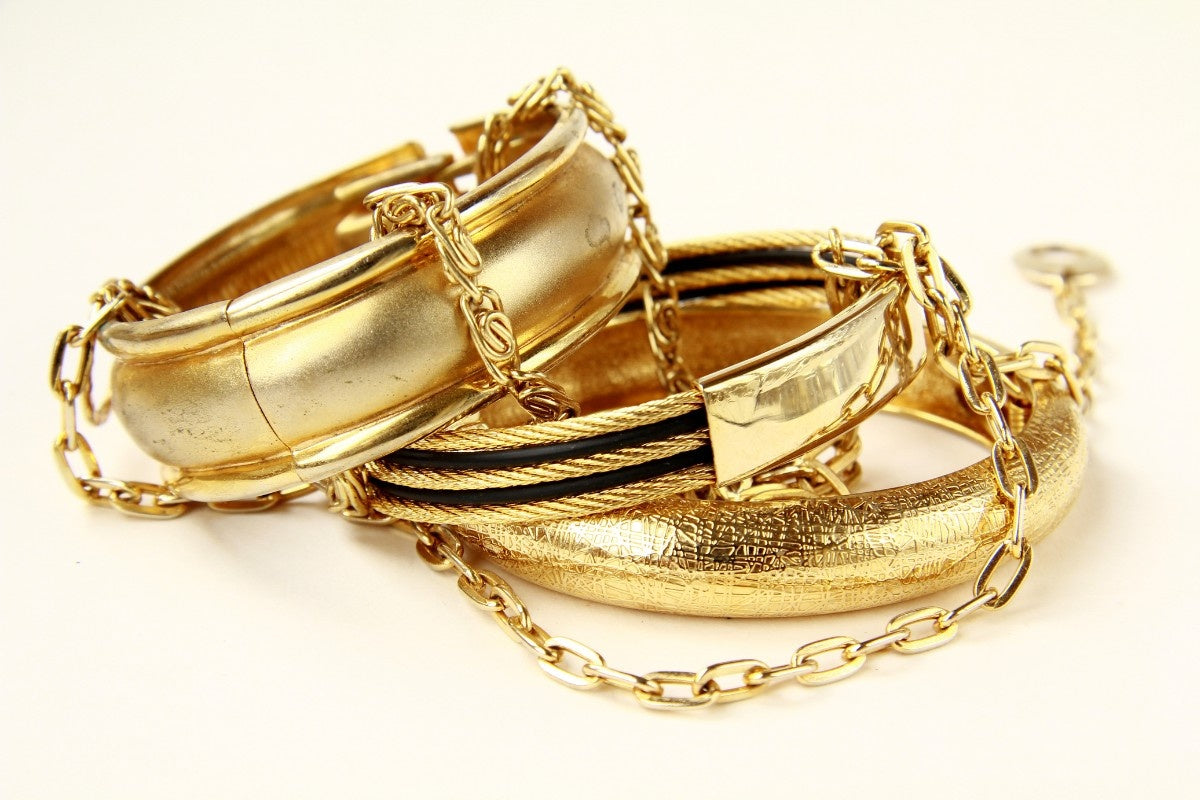
What To Know
Selling gold jewellery is about more than weight or scrap prices, many pieces are worth more than their raw material value. It’s important to find a buyer who understands what you have and can recognise its true, fair worth.
Understanding your options means you can choose a buyer who sees the full value of your gold and, where possible, someone who will give your pieces a second life.
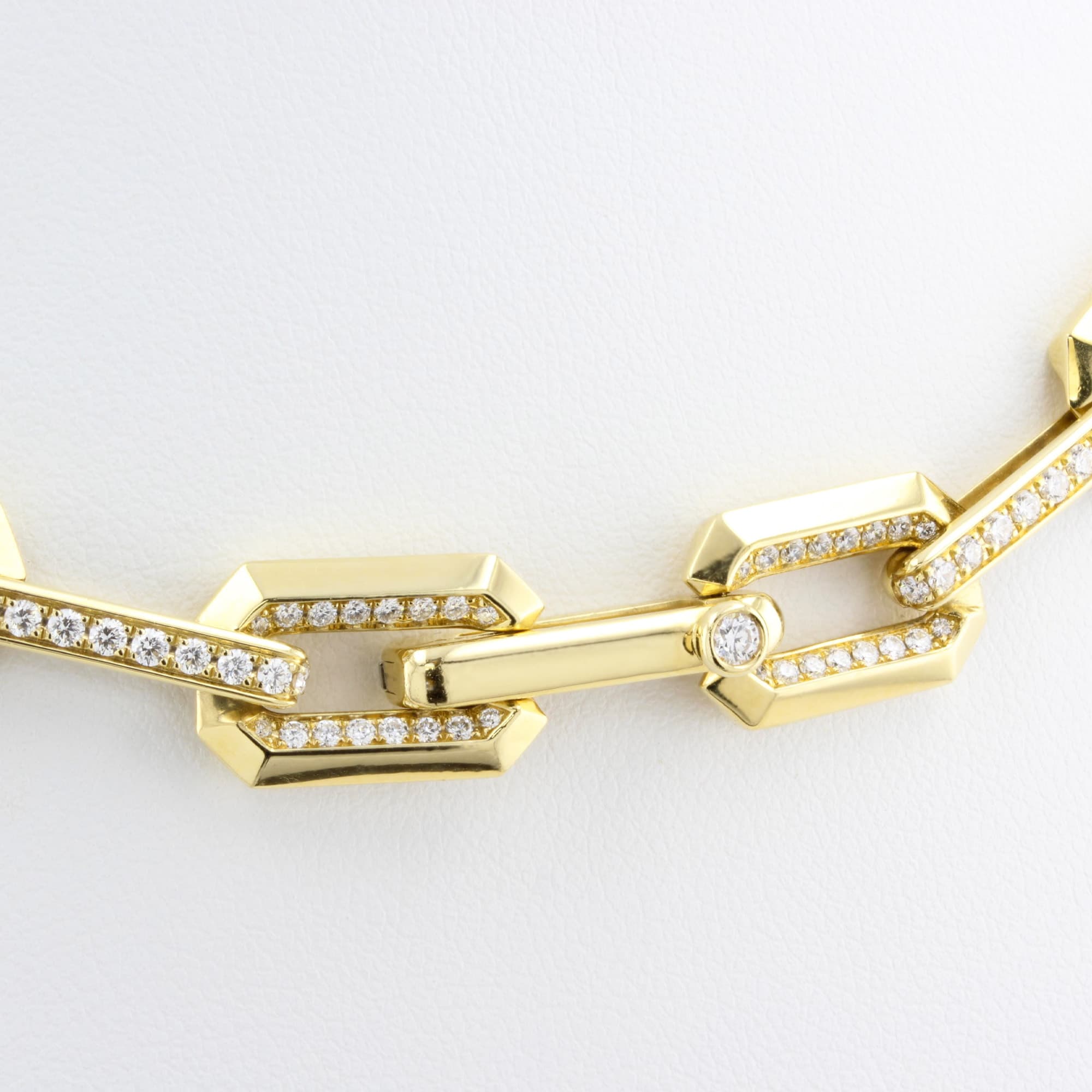
Why visit a jeweller with gold?
Jewellers, especially ones with a strong pre-owned jewellery market, are more likely to sell your piece as it is, rather than melting it down, which means they may be able to offer a higher price.
Gold buyers, on the other hand, focus purely on the metal value of your piece. Gemstones, diamonds, or any historical significance will not be factored into their offer, regardless of how valuable those elements might be.
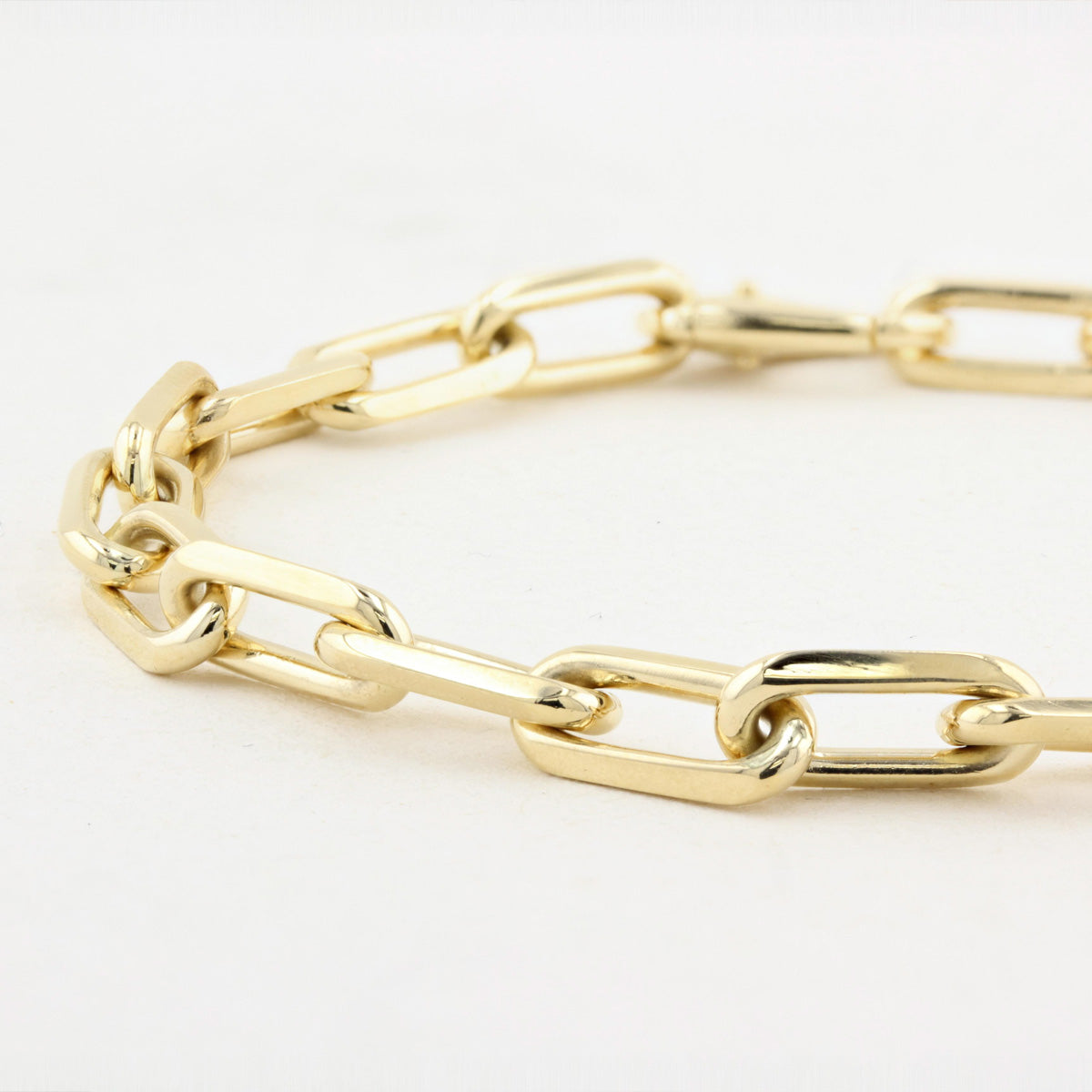
Understanding Mixed Metals
Selling your jewellery to someone that understands jewellery and jewellery construction is important for receiving the best price for your items.
Many pieces are not solid gold throughout, and this is completely normal. Because high-carat gold is naturally quite soft, jewellers often reinforce vulnerable areas like clasps or hinges with a base metal . While this is great for durability, it does affect the overall gold value of the item nd correctly calculating the gold content is vital.
Gold Purity
-
9ct
9ct gold is 375 parts of 1000 (37.5%) pure gold, with alloys making up the rest, making it a durable carat gold
-
14ct
14ct gold is 585 parts of 1000 (58.5%) pure gold, a carat gold most often used in jewellery from the USA and Greece
-
18ct
18ct gold is 750 parts of 1000 (75%) pure gold, with alloys making up the rest, making it have an attractive warm hue
-
22ct
22ct gold is 916 parts of 1000 (91.6%) pure gold, producing a rich yellow, though it is softer and less durable
-
24ct
24ct gold is 1000 parts of 1000 (100%) pure gold, producing an intense, vibrant colour often in ingots or coins
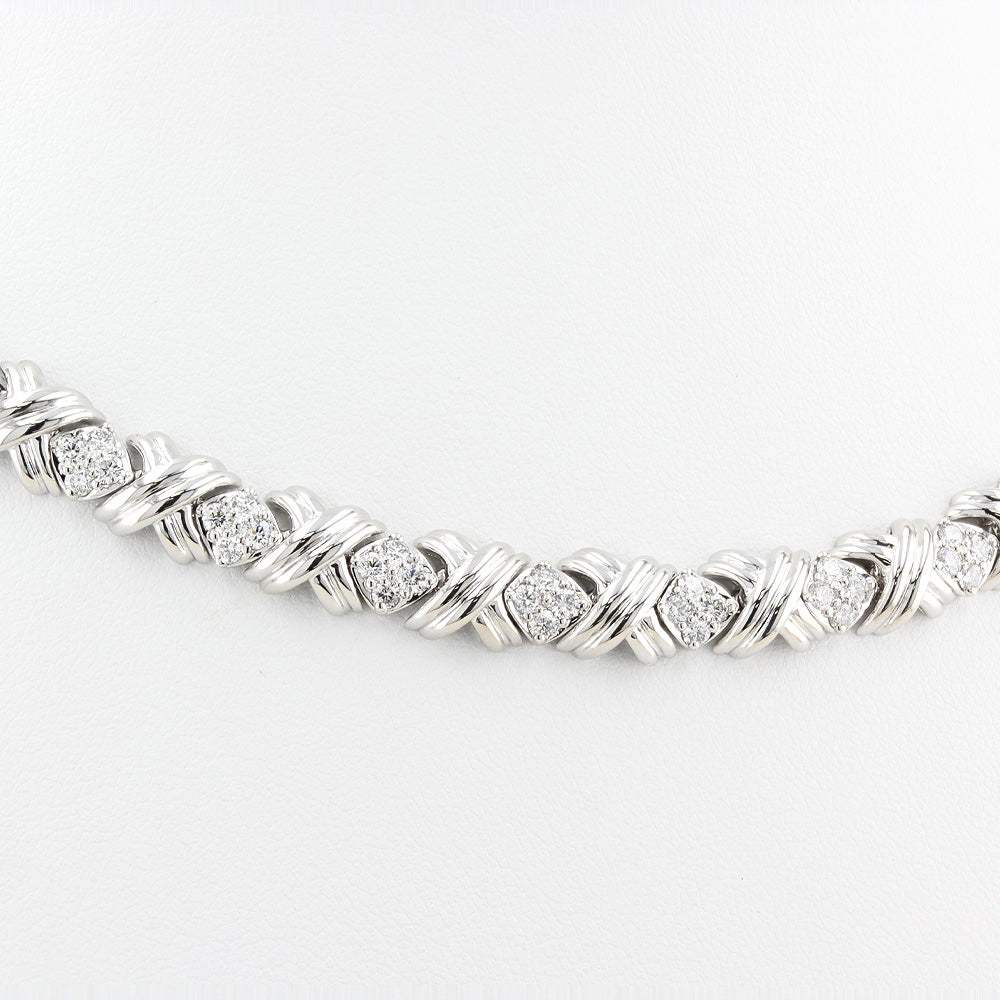
Is now a good time to sell gold?
One of the most common questions we receive, and one of the most difficult to answer. While we understand why people look to us for guidance on where prices are heading, particularly when gold is an an all-time high, the honest truth is that no one can predict future gold prices with certainty. What we can do is look at historical trends and the current market price to provide some context.
Ultimately, our advice is to sell when you feel ready and comfortable doing so and the price is right for you, not because someone has told you the time is right.
Calculating gold value at home
-
Gold purity
Many items are marked incorrectly, ambiguously or not marked at all. Gold prices are high enough that even a small difference in purity, say, 20ct versus 21ct, can have a significant impact on what your piece is worth. This level of precision really does require a professional assessment to get right.
-
Mixed Metals
Jewellery can often also be a blend of different precious metals. Clip earrings can be Platinum at the front with 18ct white gold fittings, while rings can feature a gold band with a Platinum setting. Each metal carries its own value, so pieces like these need professional examination for a fair value to be determined
-
Accurate Weights
Home scales are not always accurate enough for valuing gold, where small variations in weight can affect the price. You will also need to account for weight of any gemstones or non-precious metal components. Keeping this in mind will help set realistic expectations before you receive a professional valuation
The best way to sell gold jewellery is to do so with specialists who have the expertise to assess each piece individually, recognise design and gemstone value, and prioritise rehoming where possible rather than defaulting to scrap.
This approach not only helps you achieve a fair price but also ensures quality jewellery continues to be worn and appreciated.
FAQs
What is gold bullion?
Gold bullion is physical, high-purity gold (typically 99.5% to 99.99% pure) in the form of bars, ingots, or coins, valued by its weight and market price rather than numismatic rarity.
Is gold bullion a good investment?
Gold bullion is often considered a good, long-term investment for diversifying portfolios, acting as a hedge against inflation and economic uncertainty. It is a tangible, safe-haven asset that often performs well when stocks and currencies decline. However, it is volatile in the short term, produces no income, and can underperform in stable economies.
what is the gold price uk?
The price of gold in the UK is something that consistently changes multiple times a day, sometimes as frequent as every minute.
How often does the price of gold change?
The price of gold changes constantly, updating every 60 seconds (or as frequently as every 15 seconds on some platforms) during active trading hours, which run almost 24 hours a day. These fluctuations are driven by global supply and demand, economic data, and geopolitical events.
What is the "spot price" of gold?
This is the current, live market rate for one troy ounce of gold, updated every few seconds.
What is the best time to buy gold?
Predicting market highs/lows is difficult. Investors often use a "pound-cost averaging" strategy, buying periodically rather than timing the market.
