

The Ultimate Guide to Burma Rubies
Rubies are one of the “Big Four” precious gemstones, alongside Diamonds, Emeralds and Sapphires. Known for their rich red colour, durability and enduring symbolism, rubies have long been associated with passion, protection, power and romance.

Expert reviewed
Reviewed by Rachel Smith
Manager and Head Valuer at Hatton Jewels
Rachel Smith specialises in the valuation and appraisal of fine jewellery, antique jewellery, natural pearls, coloured gemstones and old cut diamonds. This guide has been reviewed to ensure the advice is accurate, practical and aligned with what buyers should look for when choosing antique jewellery.
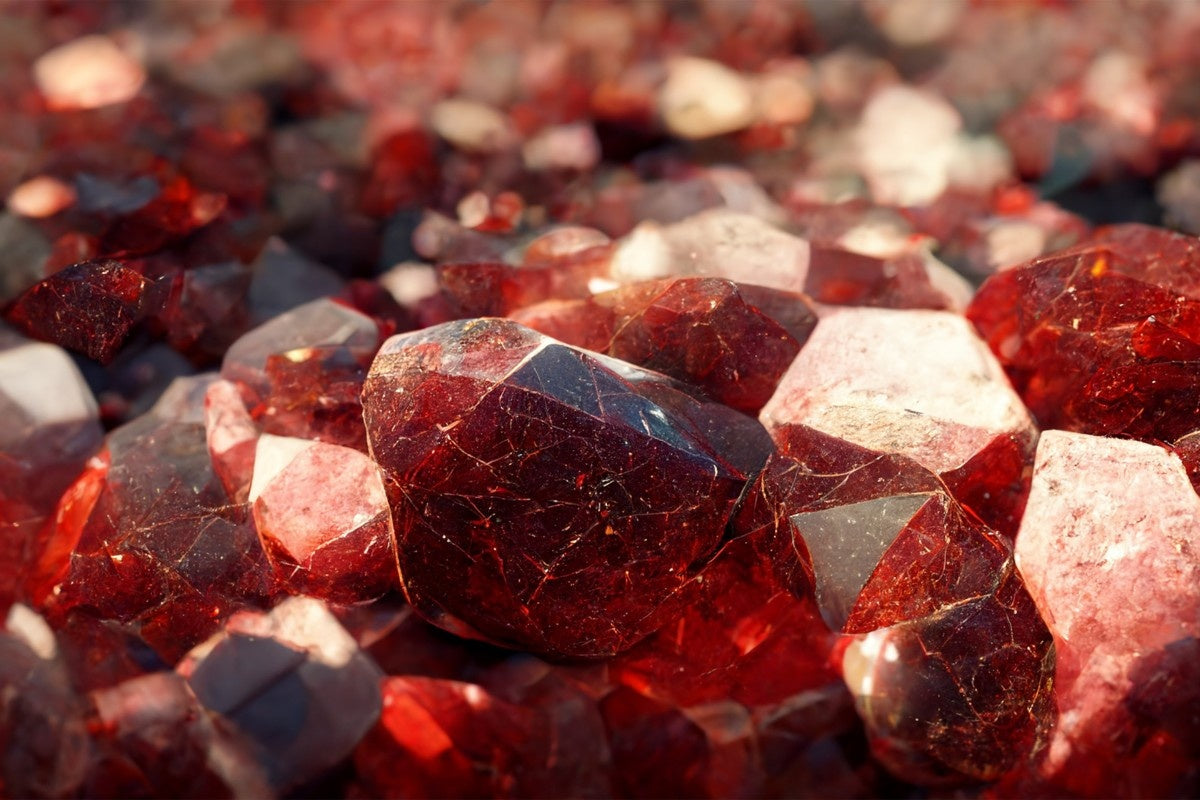
The World’s Finest Rubies
Among the world’s most admired rubies, Burma Rubies are considered some of the finest. Now more commonly referred to as Myanmar rubies in gemmology, Burma rubies remain highly sought after by collectors and jewellery lovers for their exceptional colour, natural fluorescence and historic provenance.
Fine rubies are rare. Fine no-heat Burma rubies are rarer still. When colour, clarity, origin and treatment status come together in a beautiful stone, the result can be one of the most desirable coloured gemstones in the world.

Historical Background
Burma, now Myanmar, has been associated with ruby mining for centuries. The most famous source is the Mogok Stone Tract, often referred to as the “Valley of Rubies”.
For generations, Mogok has produced rubies admired for their vivid red colour and glowing appearance. These stones became prized by royalty, collectors and jewellery houses around the world, helping establish Burma as one of the most important ruby origins in history.
Today, the term “Burma ruby” is still used widely in the jewellery trade to describe rubies of Burmese or Myanmar origin. As with all important gemstones, reputable laboratory reports are essential when confirming origin, treatment and quality.
Why are Burma Rubies Special?
-
Colour
Burma rubies are admired for their rich red colour, often with a vivid, slightly pinkish or purplish red tone. The most desirable stones show strong, even saturation without appearing too dark or too light.
-
Glow
Fine Burma rubies are known for their natural fluorescence, which can give the stone a lively inner glow, especially in daylight. This is one of the qualities that makes exceptional Burmese rubies so distinctive.
-
Provenance
Origin matters in the ruby market. While a ruby’s beauty should always be judged on its individual quality, Burmese origin remains one of the most prestigious and desirable.
-
Rarity
Fine rubies of any origin are rare, but fine Burma rubies with no evidence of heat treatment are particularly scarce. This rarity is one of the reasons they are so valued by collectors.

Colour
Colour is the most important factor in ruby quality. The finest rubies have a vivid red colour with strong saturation and life. Stones that are too dark can lose brightness, while stones that are too pink may be considered pink sapphire rather than ruby, depending on the laboratory and market context.
The phrase “pigeon blood ruby” is often used to describe the most desirable red colour. However, this term should be used carefully, as it is interpreted differently across the trade and should ideally be supported by an independent gemmological report.
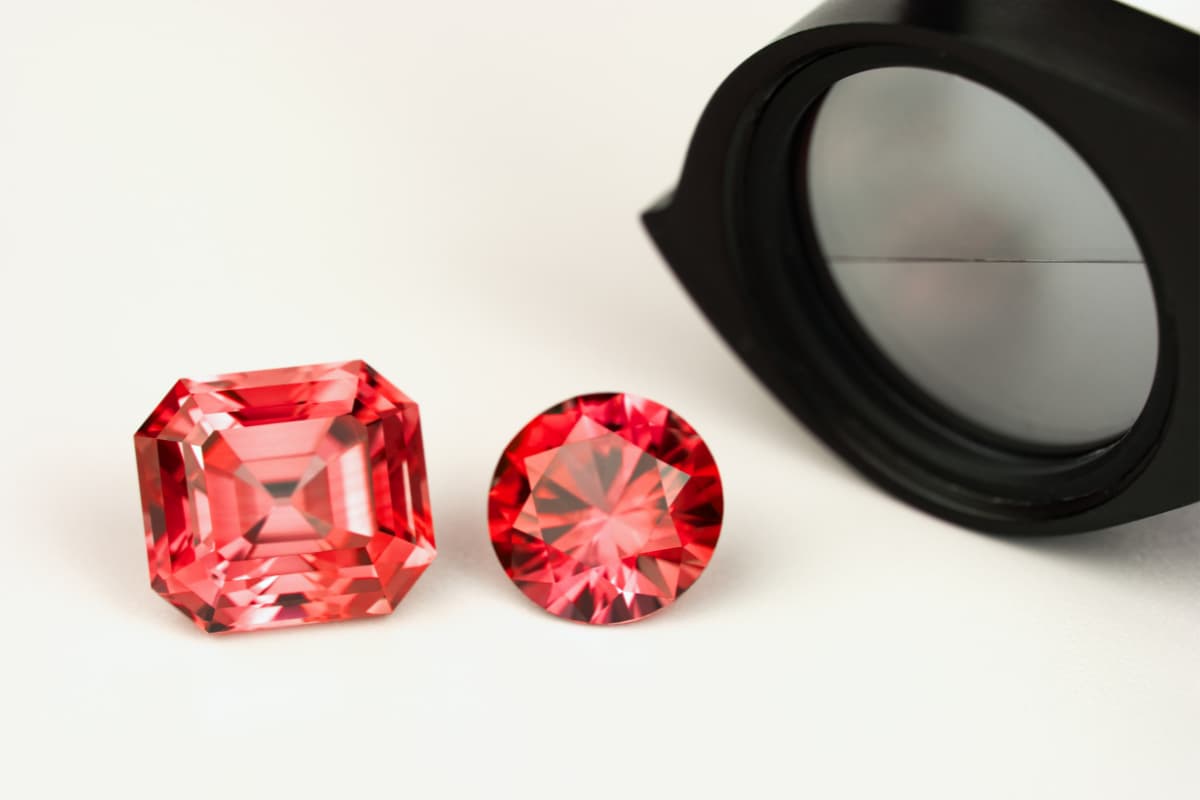
Clarity
Rubies naturally contain inclusions. In fine stones, these inclusions should not overly affect beauty, transparency or durability.
Some inclusions, such as fine silk, can enhance the appearance of a ruby by softening the colour and contributing to its glow. However, large fractures, surface-reaching inclusions or heavily included stones can affect both value and wearability.
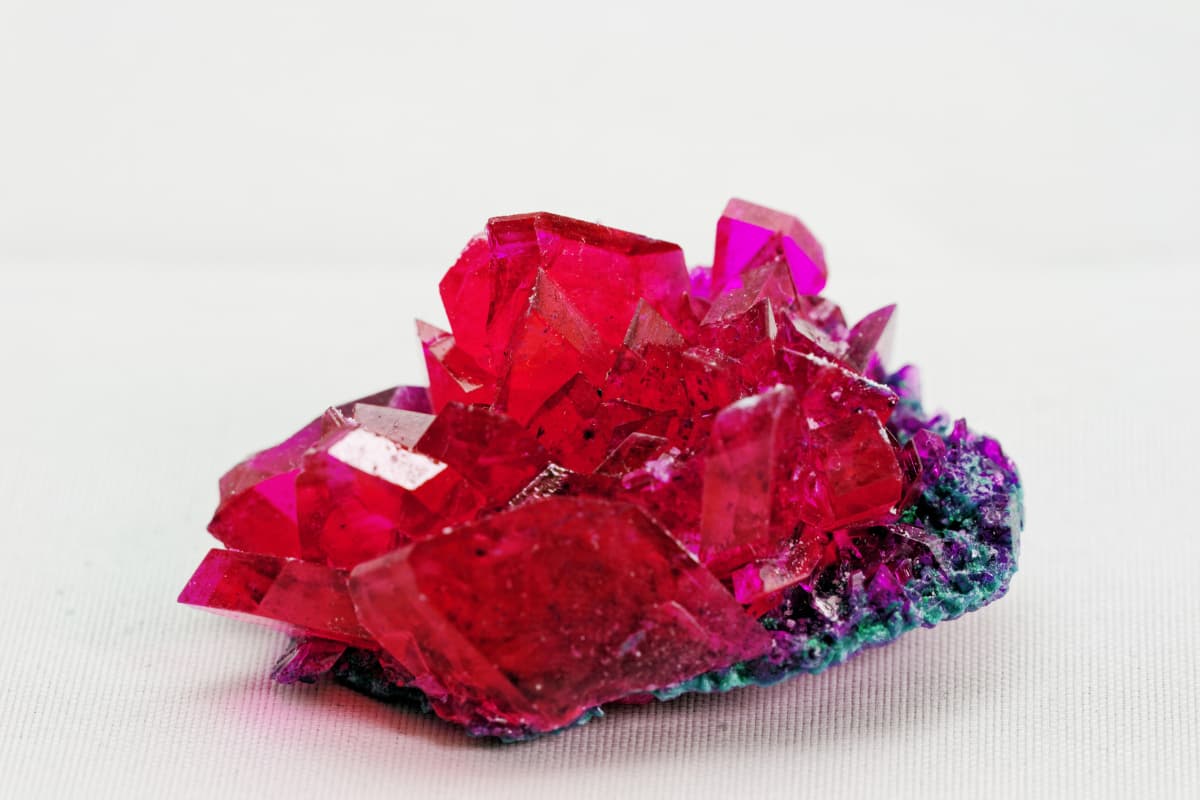
Cut
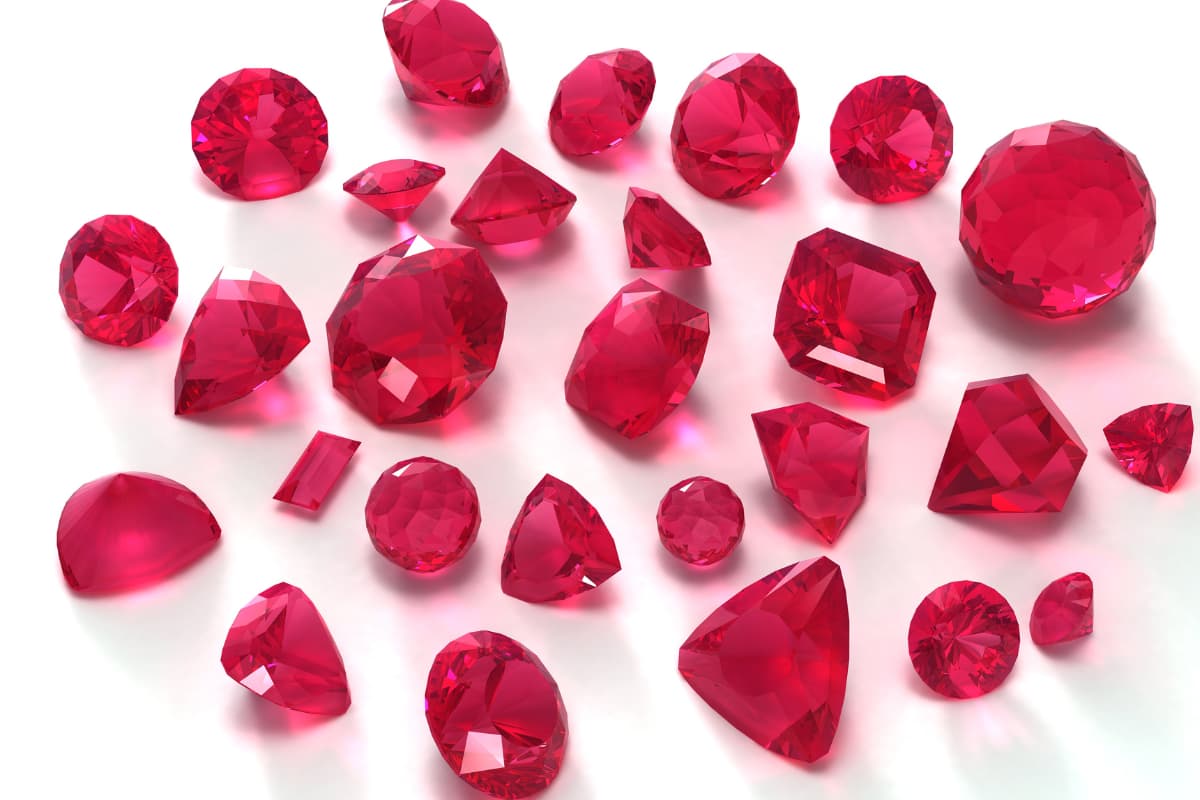
Ruby is a valuable gemstone, so cutters often shape the stone to retain weight while bringing out the best colour. Oval, cushion and pear shapes are common, although fine rubies can also be found in round, emerald-cut and antique cuts.
A well-cut ruby should show good symmetry, balanced proportions and an even spread of colour. Poorly cut rubies may show a window, where the centre of the stone appears pale or transparent.
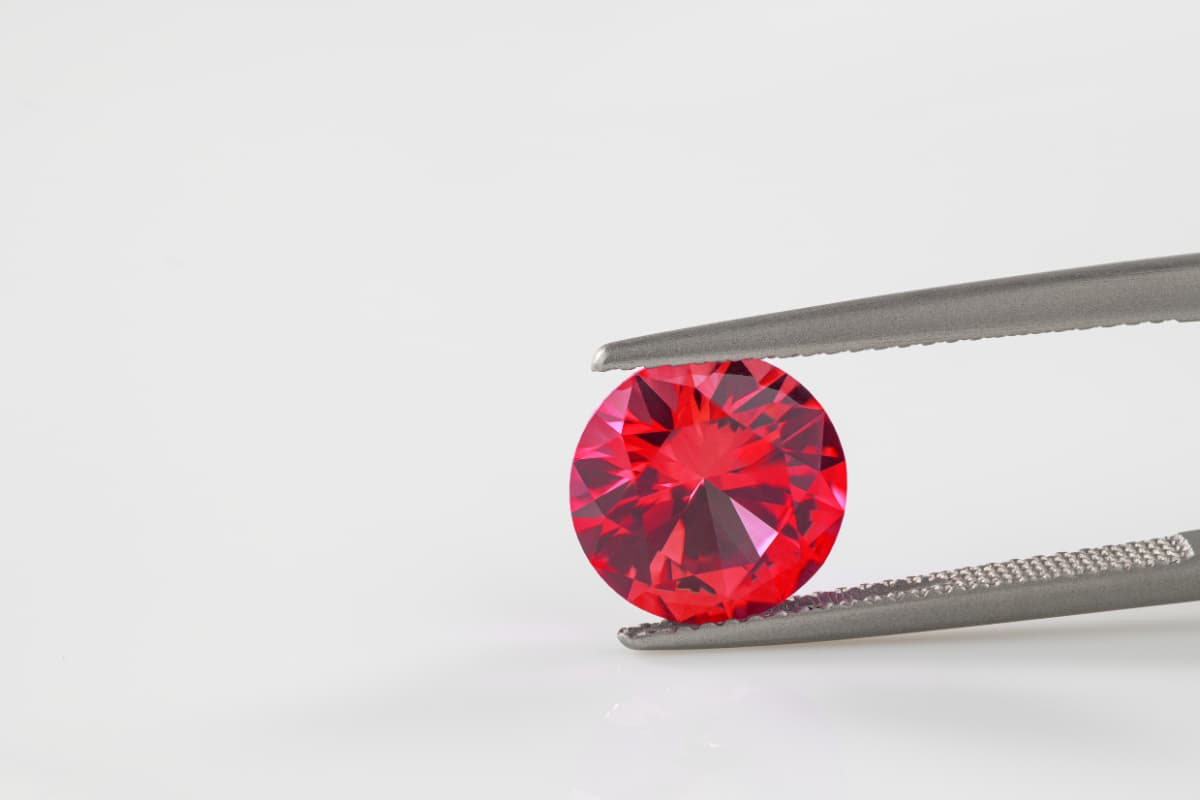
Carat Weight
Larger fine rubies are significantly rarer than smaller stones. A one carat ruby of exceptional quality can be valuable, but fine rubies over two, three or five carats become increasingly scarce.
As with diamonds and other gemstones, carat weight should never be considered in isolation. A smaller ruby with superb colour, no heat treatment and strong provenance may be more desirable than a larger stone of lesser quality.
Origin and Treatment
Origin and treatment status are especially important with Burma rubies. A ruby may be beautiful without being Burmese, and a Burmese ruby may not automatically be exceptional. The strongest examples combine beauty, confirmed origin and minimal or no treatment.
For important stones, buyers should look for an independent laboratory report confirming origin and treatment.
Fine Rubies, No Heat Rubies and Burma Rubies
These terms are often used together, but they do not mean the same thing.
Fine ruby refers to the overall quality of the stone. This includes colour, clarity, cut, size, transparency and beauty.
No heat ruby means there is no evidence that the ruby has been heat treated. Heat treatment is common in rubies and is used to improve colour and clarity. No heat rubies are rarer and can command a premium, especially when the stone is already of fine quality.
Burma ruby refers to origin. It means the ruby is believed, and ideally certified, to be from Burma, now Myanmar.
The most desirable stones are usually those that combine all three qualities: fine colour, no evidence of heat and documented Burmese origin.
Are Burma Rubies Rare?
Yes, fine Burma rubies are rare, particularly in larger sizes and with no evidence of heat treatment.
While rubies from Burma have been admired for centuries, the finest examples represent only a small proportion of material found. Many rubies on the market have been heat treated, and stones with exceptional natural colour, good clarity and no heat treatment are much less common.
This is why laboratory reports are so important. A report can help confirm whether a ruby is natural, whether it shows evidence of treatment and whether the origin is consistent with Burma or another source.
Major Burma Ruby Sources
-
Mogok
Mogok is the most famous ruby-producing area in Burma. Rubies from Mogok are admired for their rich red colour, fluorescence and long-standing reputation in the gem trade.
The finest Mogok rubies are among the most sought-after coloured gemstones in the world.
-
Mong Hsu
Mong Hsu became a significant ruby source later than Mogok. Rubies from this area are often associated with colour zoning and have commonly been heat treated to improve appearance.
As always, quality varies from stone to stone, which is why origin alone should not be used as the only measure of value.


Treatments and Enhancements
Heat Treatment
A widely accepted treatment used to improve colour and clarity. Heated rubies are common in the market.
No Heat
A ruby with no evidence of heat treatment. These stones are rarer and more valuable when the quality is high.
Glass Filling
A treatment used to fill fractures and improve the apparent clarity of lower-quality rubies. These stones are far less valuable and require careful handling.
Diffusion Treatment
A treatment that alters colour near the surface of the stone. This is generally less desirable than traditional heat treatment and should always be disclosed.
Responsible Sourcing and Provenance
When buying a Burma ruby, provenance matters. Due to the complex history and current restrictions surrounding gemstones from Myanmar, it is important to buy from a trusted jeweller who understands sourcing, documentation and responsible trade.
Antique, vintage and pre-owned Burma ruby jewellery can offer a way to acquire exceptional stones with history, character and established provenance. For important pieces, supporting paperwork, previous valuations and recognised laboratory reports can all add confidence.
Tips for Purchasing Burma Rubies
-
Buy from trusted specialists
Choose a reputable jeweller with gemmological expertise and experience handling fine coloured stones.
-
Ask about treatment
Always ask whether the ruby is heated, unheated or subject to any other enhancement.
-
Request certification
For significant rubies, an independent laboratory report is essential. This can help confirm natural origin, treatment status and, where possible, geographic origin.
-
Judge beauty first
Origin is important, but the stone should still be beautiful. Colour, life, clarity and overall presence should guide the purchase.
-
Keep an open mind
Fine rubies come from several sources, including Burma, Mozambique, Thailand and Sri Lanka. A Burma ruby may be the most prestigious choice, but the right ruby is ultimately the one that balances beauty, quality, provenance and budget.
Caring for Your Burma Ruby Jewellery
Avoid Harsh Cleaners
Ruby is a durable gemstone, but treatments, settings and surrounding stones may be more delicate. Avoid harsh chemicals and abrasive cleaners.
Clean Gently
Use lukewarm water, mild soap and a soft brush. If the ruby is fracture-filled or heavily treated, extra care is required and professional cleaning is recommended.
Store Carefully
Rubies are hard, measuring 9 on the Mohs scale, but they can still chip if knocked. Store ruby jewellery separately from diamonds and other gemstones to help prevent scratches and damage.
Wear with Care
Ruby jewellery can be suitable for regular wear, particularly when well set. However, rings should still be removed during heavy work, sport or activities where the stone could be knocked.
Burma rubies are among the most admired gemstones in the world. Their rich colour, rarity and historic provenance make them especially desirable, while fine no heat examples remain some of the most sought-after stones in high jewellery.
Whether chosen for an engagement ring, antique jewel, bespoke design or collector’s piece, a beautiful Burma ruby is a gemstone with depth, character and lasting appeal.
